If you want to sell USDT for Indian Rupees, one of the first things you will probably check is the USDT to INR exchange rate.
The exchange rate tells you how much INR you may receive for a given amount of USDT. However, the displayed rate is not always the only factor that determines the final amount. Applicable service charges, transaction fees and other costs may also affect the amount you receive.
This guide explains how USDT to INR rates work and what you should check before completing an exchange.
What Is the USDT to INR Exchange Rate?
The USDT to INR exchange rate represents the INR value used to calculate the amount received when USDT is exchanged for Indian Rupees.
For example, suppose an exchange service uses a hypothetical rate of:
1 USDT = ₹90
If you sell 100 USDT, the gross INR value would be:
100 × ₹90 = ₹9,000
This is a simple example. The actual rate available to you can change depending on the service, market conditions and transaction details.
Why Does the USDT to INR Rate Change?
USDT is designed to maintain a value close to one US dollar, while the value of the US dollar against the Indian Rupee can change.
As a result, the INR value of USDT can change over time.
Exchange services may also use their own buying or selling rates based on factors such as liquidity, operating costs and applicable charges.
For this reason, you should check the rate shown at the time you start your transaction rather than relying on an old rate.
How Is the Final INR Amount Calculated?
A simplified calculation looks like this:
USDT amount × exchange rate = gross INR amount
For example:
100 USDT × ₹90 = ₹9,000
If a service applies a charge, the final amount may be lower than the gross amount.
A simplified example would be:
Gross INR value - applicable charges = final INR amount
The exact calculation depends on the exchange service and its terms.
Exchange Rate vs Final Amount
These two things should not be confused.
The exchange rate tells you the conversion value.
The final amount tells you how much INR you are actually expected to receive after applicable charges.
For example:
DetailExampleUSDT amount100 USDTExchange rate₹90Gross value₹9,000Applicable charge₹100Example final amount₹8,900This is only a hypothetical example. Actual rates and charges depend on the transaction.
What Are Exchange Fees?
An exchange service may apply a service charge for processing a transaction.
The way a fee is calculated can vary.
For example, a service may use:
A percentage-based fee
A fixed fee
A rate that already incorporates a margin
A combination of different charges
Always check the applicable charges before confirming your transaction.
What Is a Blockchain Network Fee?
A blockchain network fee is different from an exchange service fee.
When you send USDT, the blockchain network may require a transaction fee. The amount and payment mechanism depend on the network and wallet you use.
For this reason, you should consider both:
Exchange/service charges
and
Blockchain transaction fees
when calculating the overall cost of a transaction.
Why the Amount Received May Be Different From a Simple Calculation
There can be several reasons why the final amount differs from a basic USDT × INR calculation.
These may include:
Exchange rate changes
Service charges
Blockchain transaction fees
Payment processing charges
Transaction limits
Other applicable costs
The exact factors depend on the exchange service.
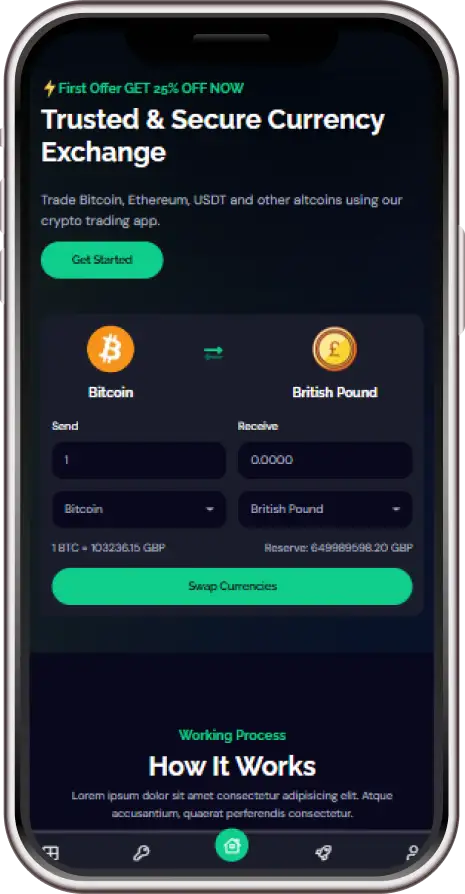
How to Check an Exchange Rate Before Selling USDT
Before starting your transaction:
Step 1: Select USDT
Choose USDT as the currency you want to sell.
Step 2: Enter the Amount
Enter the amount of USDT you want to exchange.
Step 3: Select INR
Choose Indian Rupees as the receiving currency.
Step 4: Review the Rate
Check the current rate displayed for the transaction.
Step 5: Review the Final Amount
Look at the amount of INR you are expected to receive and check whether any charges are shown.
Step 6: Confirm the Transaction Details
Only continue after reviewing the exchange details.
Example Calculation
Suppose you want to sell 250 USDT.
Assume the hypothetical exchange rate is:
1 USDT = ₹90
The gross value would be:
250 × ₹90 = ₹22,500
If an example service charge of ₹200 applies:
₹22,500 - ₹200 = ₹22,300
The example final amount would therefore be ₹22,300.
This example is only for explaining the calculation. It does not represent a live USDTChanger rate or fee.
Should You Compare Exchange Rates?
Yes, comparing rates can help you understand the available conversion value.
However, do not compare only the headline rate.
Also consider:
Final INR amount
Service charges
Supported networks
Transaction limits
Processing requirements
Payment method
Customer support
Terms and conditions
A slightly higher displayed rate does not necessarily mean you will receive more INR if additional charges apply.
What Should You Check Before Confirming?
Before submitting a USDT to INR exchange, check:
Amount of USDT
USDT to INR rate
Expected INR amount
Applicable service charges
Blockchain network
Receiving address
Transaction limits
Payment details
Exchange terms
Keeping these details in mind can help reduce avoidable mistakes.
Frequently Asked Questions
What is the current USDT to INR rate?
The rate can change over time. Always check the rate displayed by the exchange service when you are preparing your transaction.
Is 1 USDT always exactly equal to 1 USD?
USDT is designed to maintain a value close to one US dollar, but its market price can vary.
Does the exchange rate include fees?
It depends on the exchange service. Check whether the displayed rate includes or excludes applicable charges.
Why did I receive less INR than the simple calculation?
Possible reasons include service charges, blockchain fees, payment processing costs or a different applicable exchange rate.
Should I check the rate before every transaction?
Yes. Rates can change, so it is better to check the rate at the time you are making the exchange.
Final Thoughts
Understanding the USDT to INR exchange rate helps you make a more informed decision before selling USDT.
Don't look at the exchange rate alone. Check the expected final INR amount, applicable charges, transaction requirements and blockchain network before confirming the transaction.
A simple rule is:
Check the rate. Check the fees. Check the final amount. Then confirm the exchange.